



What Investment-Minded Individuals Know About Pink and Orange Diamonds
There's a certain type of buyer who approaches a colored diamond the way others approach a Basquiat or a bottle of first-growth Bordeaux. They appreciate the beauty — deeply — but they also understand that what they're acquiring is finite, appreciating, and irreplaceable. Pink and orange diamonds are not jewelry trends. They are among the most documented appreciating tangible assets in the world. And here's what the numbers actually say.
Pink Diamonds: The Data Over 5 and 20 Years
The Fancy Color Research Foundation (FCRF), the industry's most authoritative data source on colored diamond pricing, has tracked this market since 2005. As of Q4 2025, pink diamonds have appreciated 390.9% since 2005 — the highest gain of any fancy color category — compared to 241% for blue diamonds and 47.4% for yellow diamonds.
Zoom in to the last five years and the story accelerates. According to the Fancy Color Research Foundation, fancy pink diamonds have appreciated by an average of 18% annually over the past five years. Since the Argyle mine closure, premium grades — Fancy Intense and Fancy Vivid Pink — have appreciated 20–30% per year. For context: this compares favorably to approximately 10% for fine art, 8% for classic cars, and 7–12% for gold over the same period.
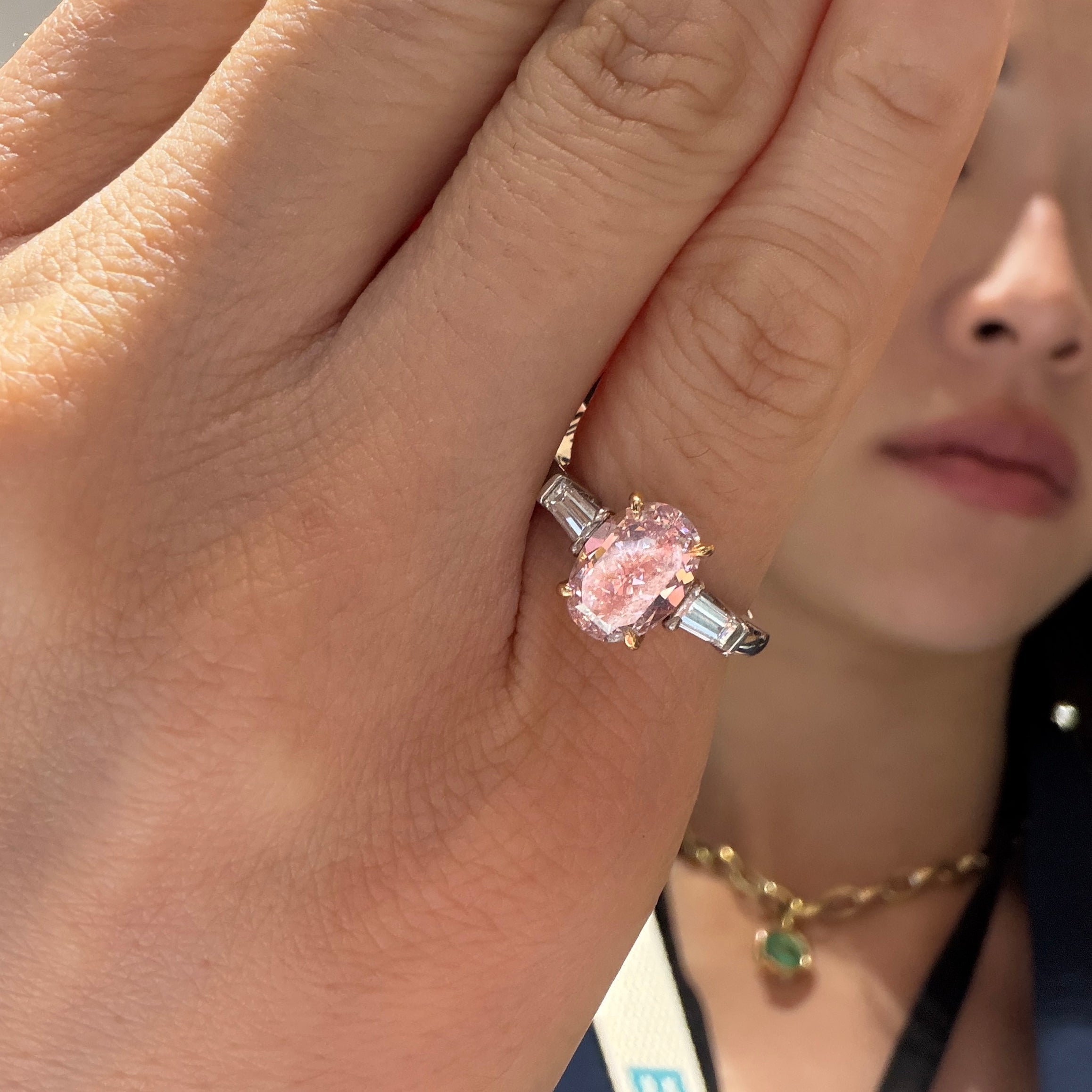
The auction benchmarks underscore it. A Fancy Intense Pink diamond sold in 2003 for $115,000 per carat. By 2010, a comparable stone sold for $625,000 per carat — a 443% appreciation in seven years. In 2022, the Williamson Pink Star sold for $5.18 million per carat, establishing a new world record per-carat price for any diamond of any color. In 2025, a 1-carat pink diamond of excellent color and clarity averages approximately $520,000, with top Fancy Vivid stones regularly exceeding $2 million per carat at auction.
The force behind all of this: the Argyle Diamond Mine in Western Australia historically produced approximately 90% of the world's pink diamond supply. Its permanent closure in November 2020 has fundamentally restructured pink diamond economics — and even if a new pink diamond mine were discovered tomorrow, it would take a minimum of 10–15 years to reach production. The supply gap is permanent in any practical investment timeframe.
In the past 30 years, fancy color diamonds have never depreciated in value. Auction house records show that many important stones have doubled in value every five years.
Orange Diamonds: Rarer Than Most Realize
Fewer than 0.05% of all natural colored diamonds show even a hint of orange. Among those, only a fraction achieve a pure Fancy Vivid grade without yellow or brown secondary hues. The GIA rarely grades a diamond as pure orange — making pure Fancy Vivid orange diamonds considered almost as rare as red diamonds, and rarer than green, pink, or blue in that grade.
The benchmark sale: in 2013, Christie's Geneva sold a 14.82-carat Fancy Vivid orange diamond called "The Orange" for $35.5 million — $2.4 million per carat — breaking two world records: the highest price per carat for any colored diamond sold at auction, and the highest price ever paid for an orange diamond. Christie's had estimated it would fetch $17–20 million. It sold for nearly twice that.
Before The Orange, the most famous vivid orange in existence was the Pumpkin Diamond — a 5.54-carat Fancy Vivid stone purchased by Harry Winston at Sotheby's the day before Halloween in 1997 for $1.3 million, later worn by Halle Berry at the 2002 Academy Awards when she became the first Black woman to win Best Actress. That stone is now estimated to be worth several multiples of its original sale price.
There is no FCRF-style long-run index specifically for orange diamonds because only a handful of Fancy Vivid orange diamonds have ever sold at auction, all weighing less than 6 carats before The Orange appeared — which is itself the investment thesis. Scarcity this extreme is not a niche. It is a floor.
Other Colors Worth Knowing About
Pink and orange get the attention. But serious collectors and investors also watch these:
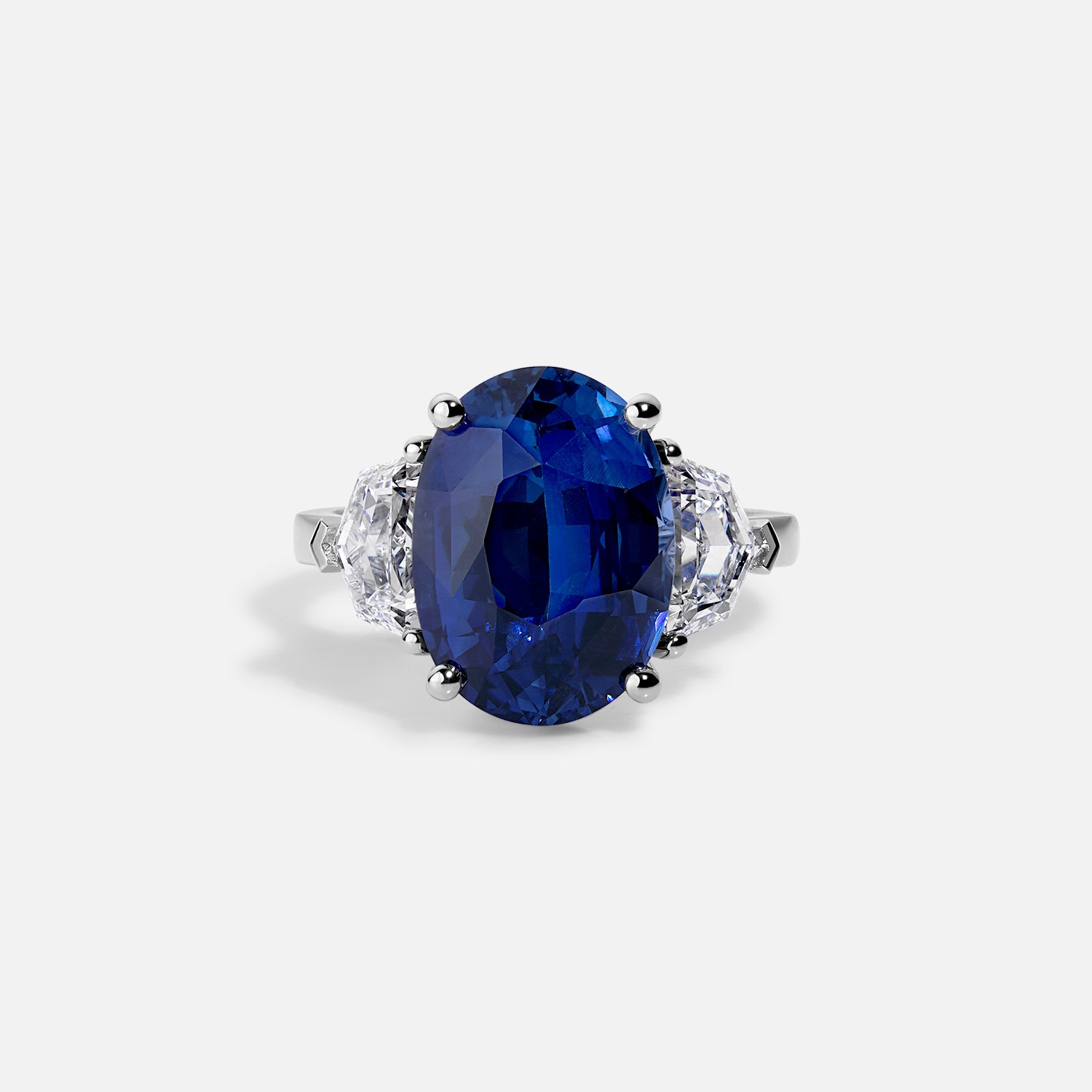
Blue. Less than 0.02% of mined diamonds are blue — among the rarest gemstones ever discovered. In 2025, the price per carat for investment-grade blue diamonds ranges from $2 million to $2.5 million for vivid, flawless specimens. Blue diamonds have appreciated 241% since the FCRF began tracking in 2005. Large vivid blues are posting some of the strongest individual auction results in the current market.
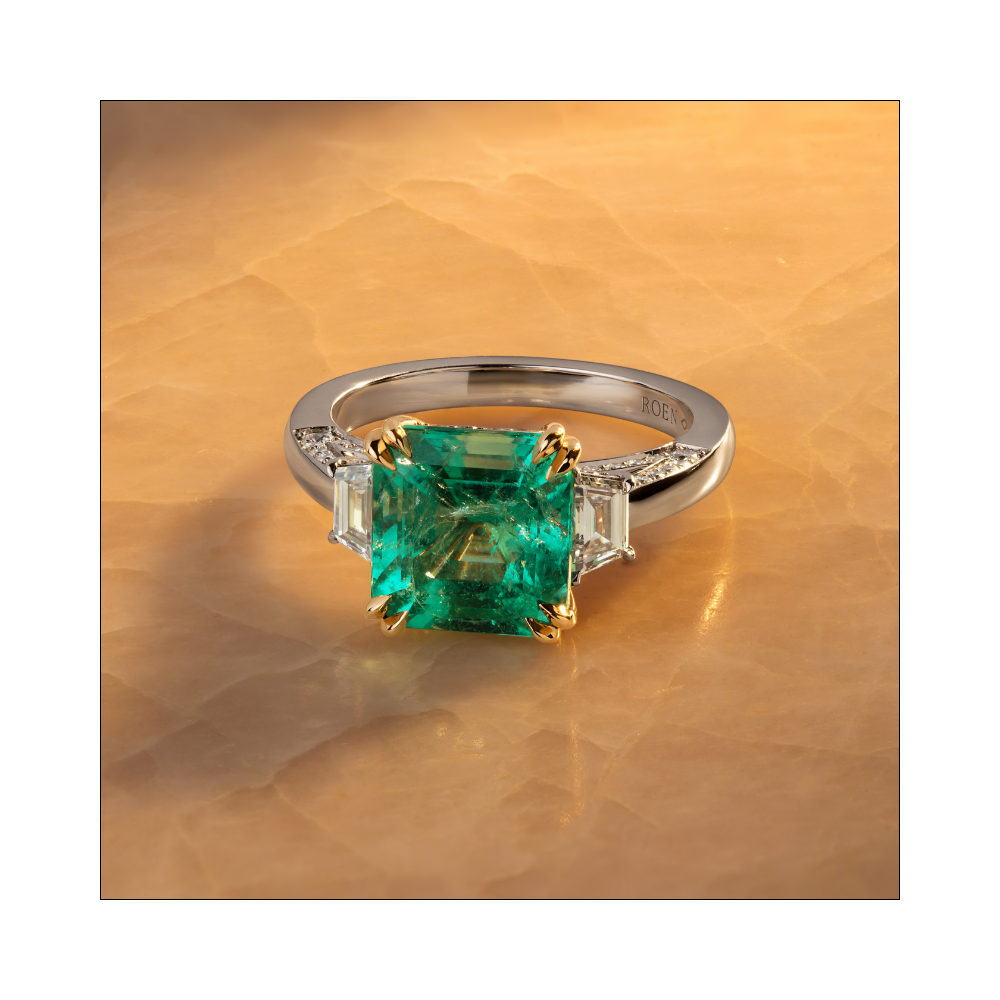
Green. Green diamonds make up less than 0.1% of all fancy color diamonds the GIA grades. Natural green color comes from radioactive exposure deep in the earth over millions of years — a process so specific and unreliable that there are only about 300 examples of vivid green diamonds above one carat in the world. Vivid green diamonds above three carats are generally only seen in museums. The Aurora Green, a 5.03-carat Fancy Vivid green, sold at Christie's in 2016 for $16.8 million — $3.3 million per carat, the highest ever paid for a green diamond at auction.
Red. The most extreme category. Fewer than 30 true red diamonds are known to exist worldwide, most weighing under one carat. Price per carat can exceed $1 million even for small stones. These are museum pieces and private collection holdings — almost never available on the open market — which is why collectors track them obsessively when they do surface.
The Setting Doesn't Diminish the Stone
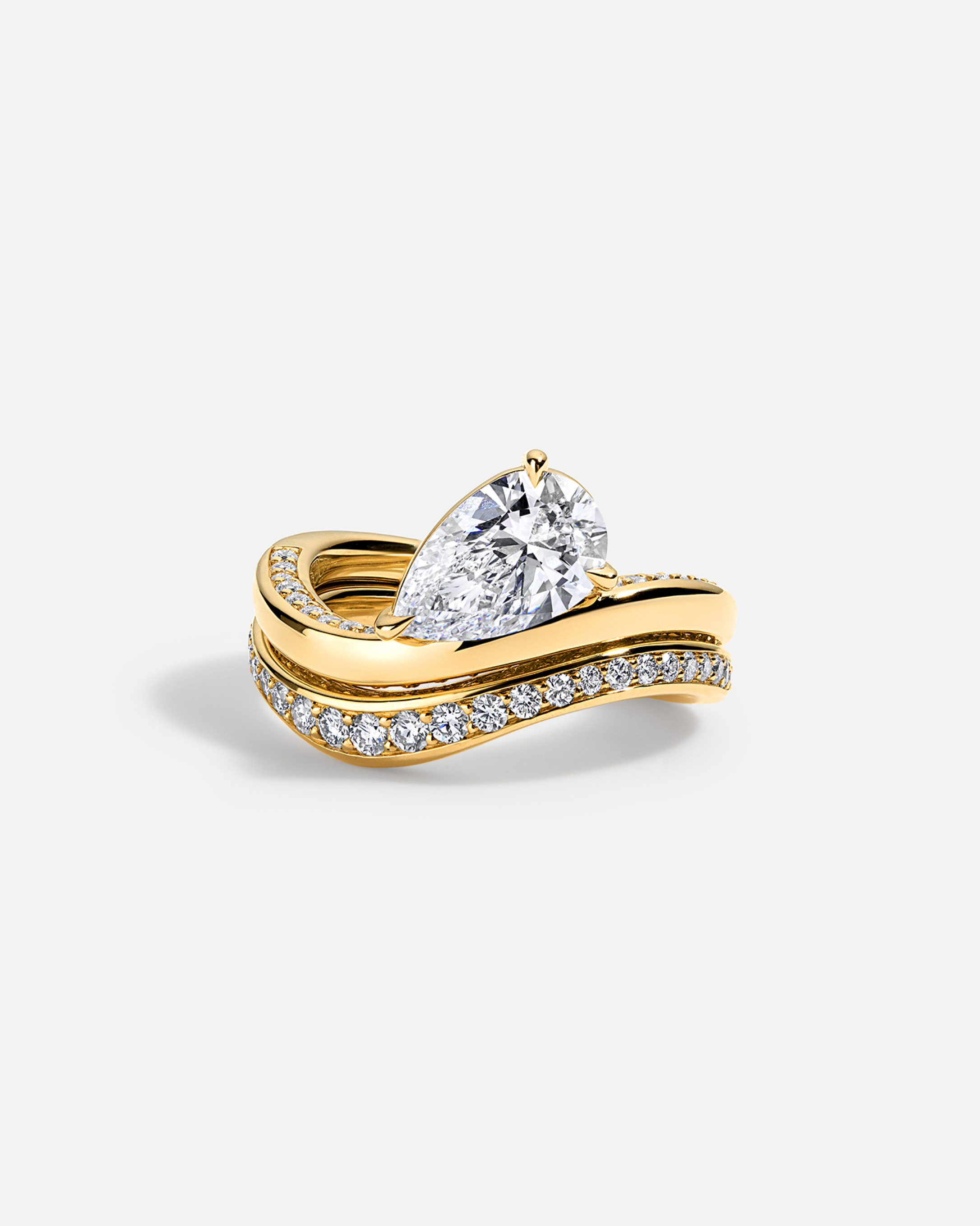
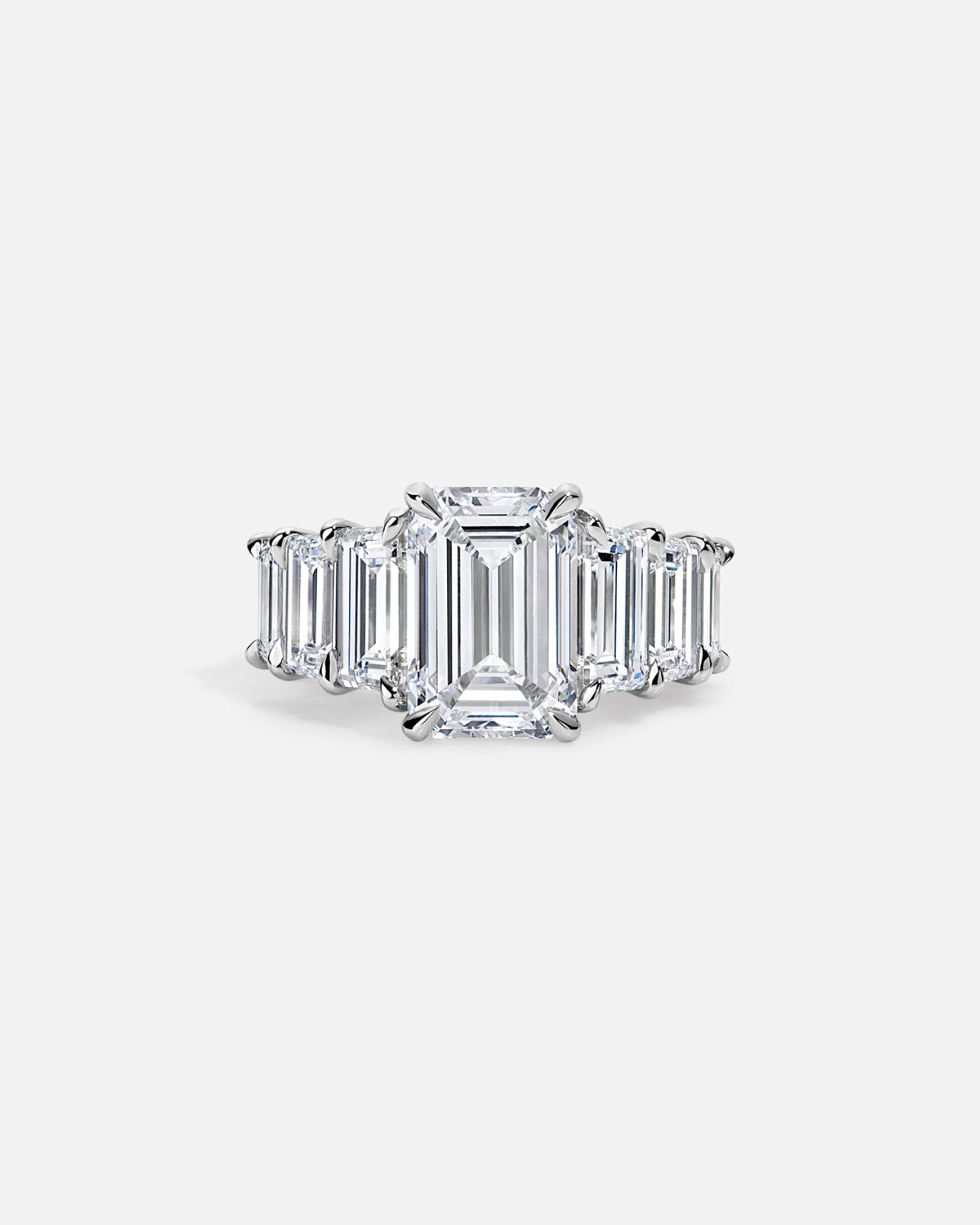
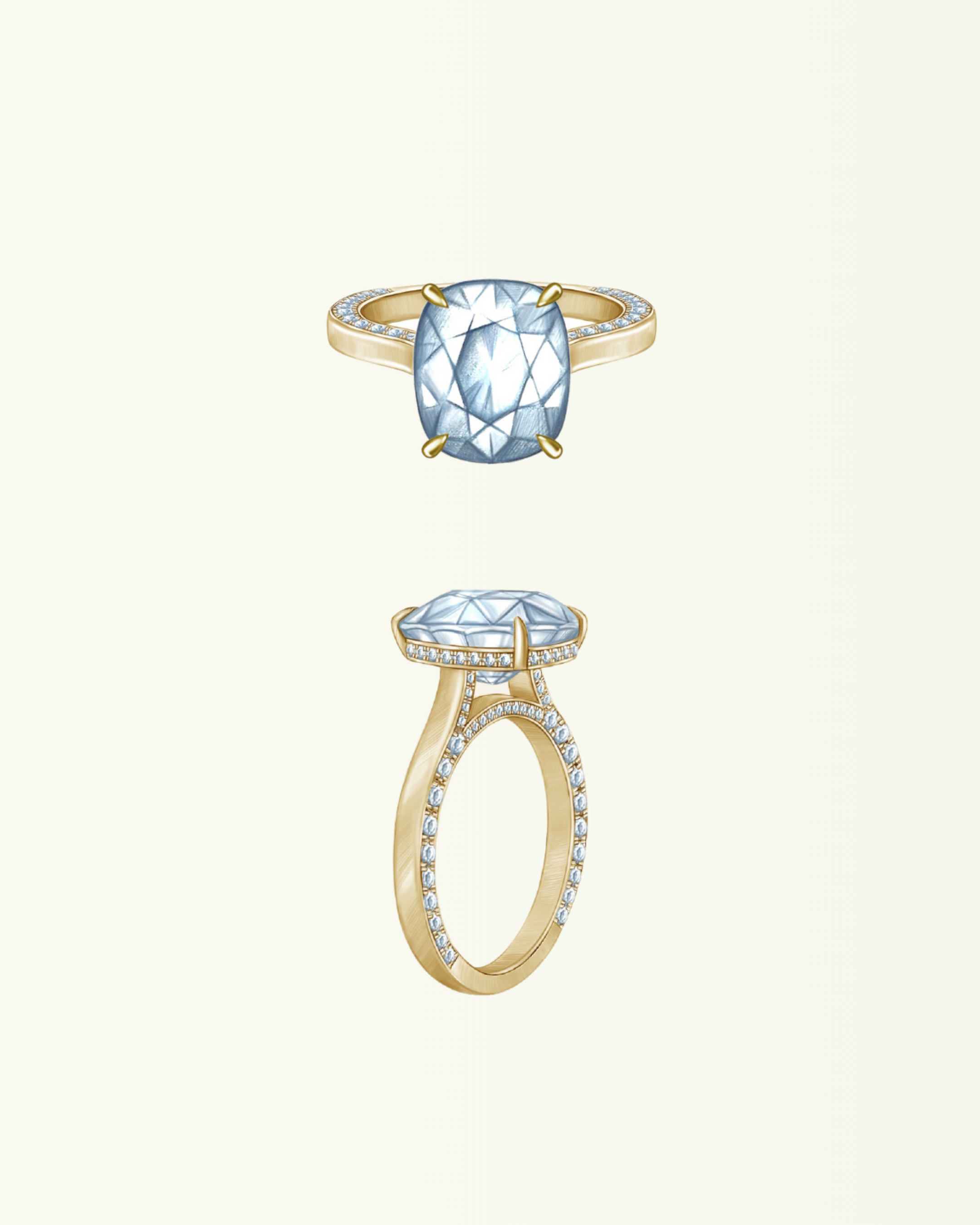
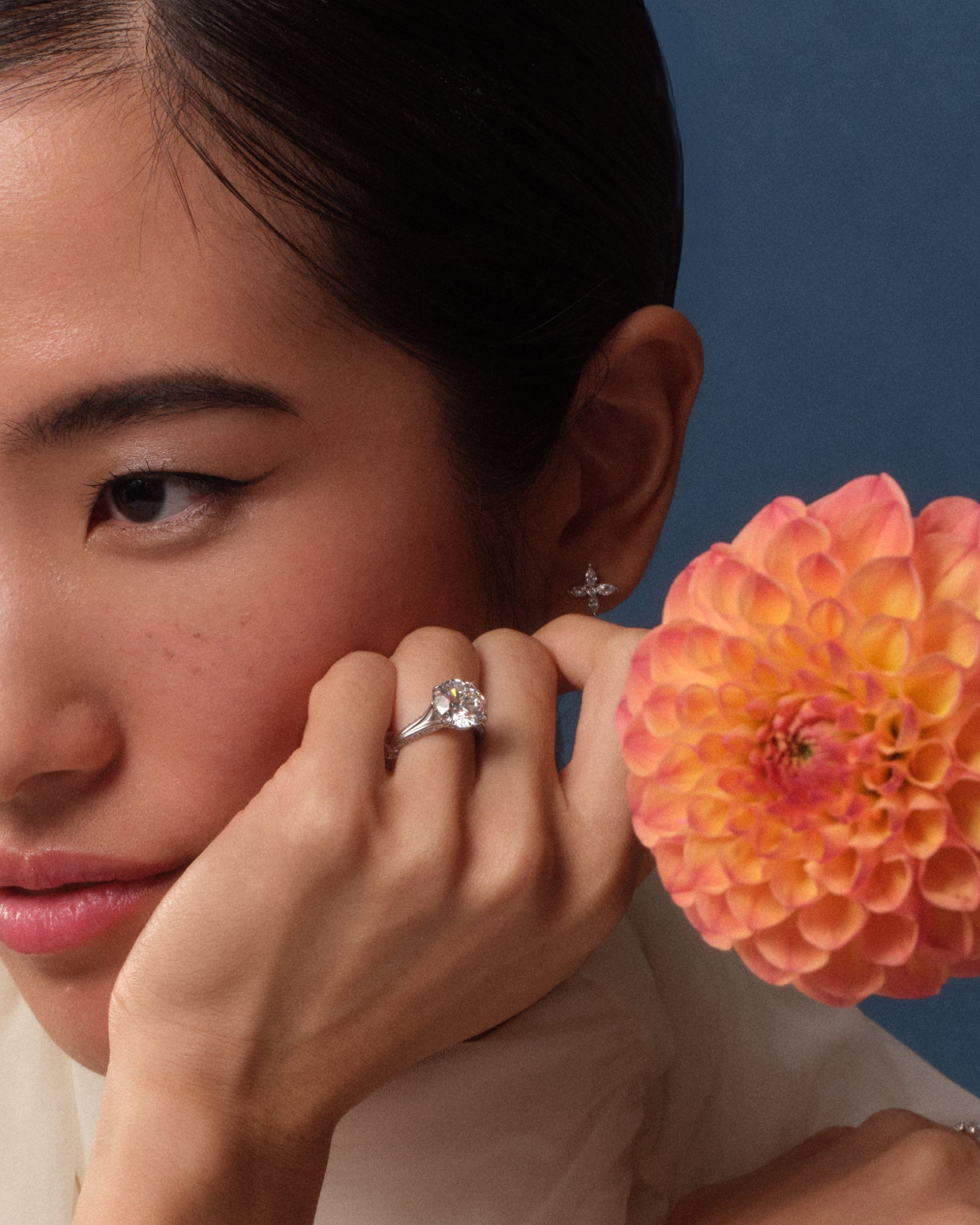
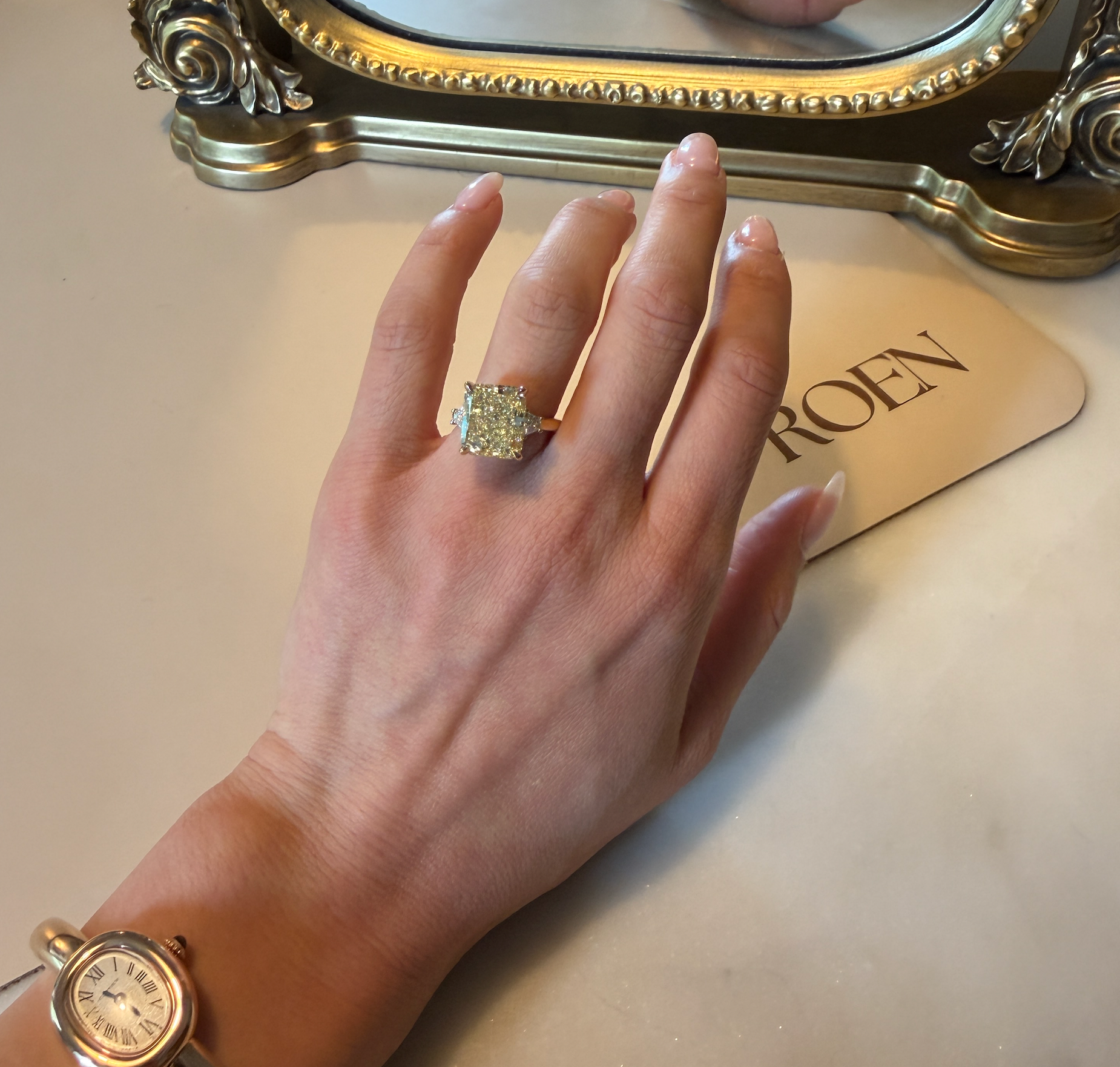
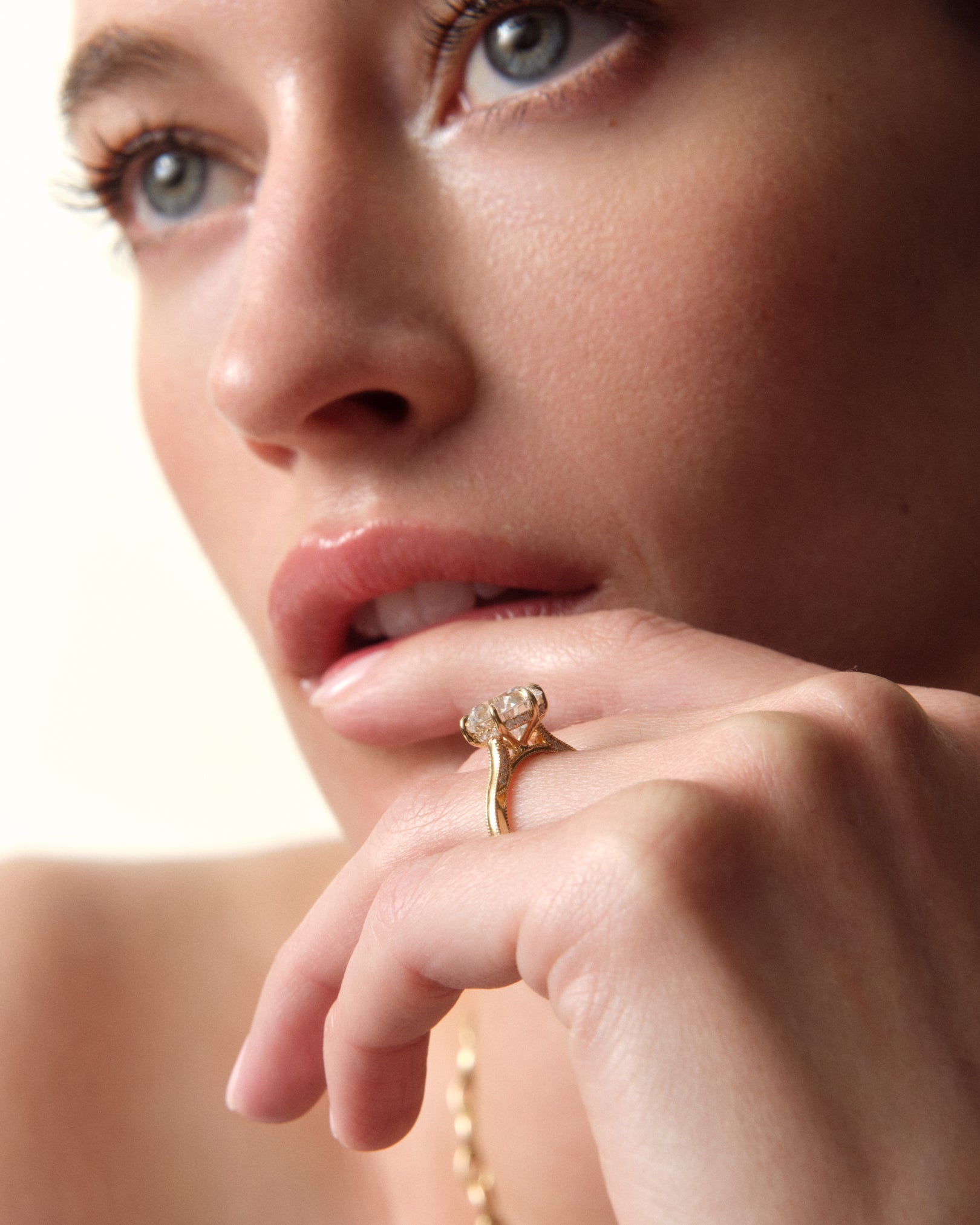
A common misconception: that setting a fancy colored diamond into jewelry somehow limits its investment value. It doesn't. Unlike paper assets that exist only as entries in computer systems, a diamond can be held, admired, and worn as a statement piece while it increases in value. The stone's characteristics — color origin, GIA grade, carat weight, provenance — are what drive appreciation. Those don't change because the stone is set.
Color diamonds can easily be stored in a safety deposit box, or set into jewelry and be enjoyed — and easily transported anywhere in the world. The value lives in the stone, not the setting. A Fancy Vivid pink in a ring appreciates at the same rate as a Fancy Vivid pink in a vault. It just also happens to be extraordinary to look at every day.
The dual function — wearable object and appreciating asset — is something almost no other investment class offers. Few assets offer both emotional and financial value in the same way.
What Drives the Appreciation
The investment logic is simple, even if the stones are not:
Supply is finite and shrinking. No major new pink diamond source has replaced Argyle. Orange and green diamonds come from a handful of mines in South Africa, Brazil, Congo, and Australia — none producing them in reliable volume. Supply can only decrease from here.
Demand is growing. Wealth managers increasingly recommend fancy colored diamonds — especially pinks and blues — for portfolio diversification, particularly as a hedge against inflation and market volatility. Growing collector bases in Asia and the Middle East continue to absorb available supply.
Lab diamonds can't compete here. A lab can produce a pink-colored stone by irradiating a colorless diamond after growth. That is not a pink diamond. The market knows the difference, and prices it accordingly.
They don't correlate with traditional markets. In 2008, when gold fell 30% and white diamonds dropped 20%, natural fancy color diamonds did not fall at all and continued to appreciate. That decoupling from broader market volatility is a significant reason why family offices and wealth managers treat them as portfolio diversifiers.
Working with Someone Who's Actually in the Market
This is where most buyers make their mistake. Investment-grade colored diamonds don't sit in cases at mall jewelry stores. They move through specialist networks — dealers, tender processes, private auctions, and direct relationships built over years. To access the right stones at the right prices, and to know what you're looking at when you do, you need a jeweler who is genuinely plugged into this market.
At ROEN, we work directly with investment-grade colored diamonds — sourcing stones with proper GIA documentation, verified natural color origin, and the provenance that matters when the time comes to pass a piece on or realize its value. It's a different conversation than buying a solitaire, and we're here for it.
If you're curious about what an entry into this category looks like, reach out.
Disclaimer: This post is for informational and educational purposes only and does not constitute financial, investment, or legal advice. Fancy colored diamonds and gemstones are not regulated financial instruments. Past performance of diamond prices does not guarantee future results. All investment decisions should be made in consultation with qualified financial and legal advisors. Individual stone values vary significantly based on color grade, clarity, carat weight, cut, provenance, and market conditions at time of sale.
Sources: Fancy Color Research Foundation (FCRF) Q4 2025 Index, Fancy Color Research Foundation Q1 2025 Index, Rio-Tinto, Sotheby's, Christie's, Rapaport, Leibish & Co., Regal Studio 2026, GIA (Gemological Institute of America), naturaldiamonds.com.

 Have a question? Text us.