




Antique Cushion Diamonds: What to Know Before Buying an Old Mine Cut
TLDR:
Antique cushion diamonds are old mine–era treasures, loved for their deep glow and hand-cut charm. Their chunkier facets make color forgiving and brilliance warm, not icy. Whether natural or lab-crafted, each ROEN antique cut captures timeless romance, artistry, and individuality — the kind of beauty that endures for generations.
What to Know When Buying an Antique Cushion Diamond
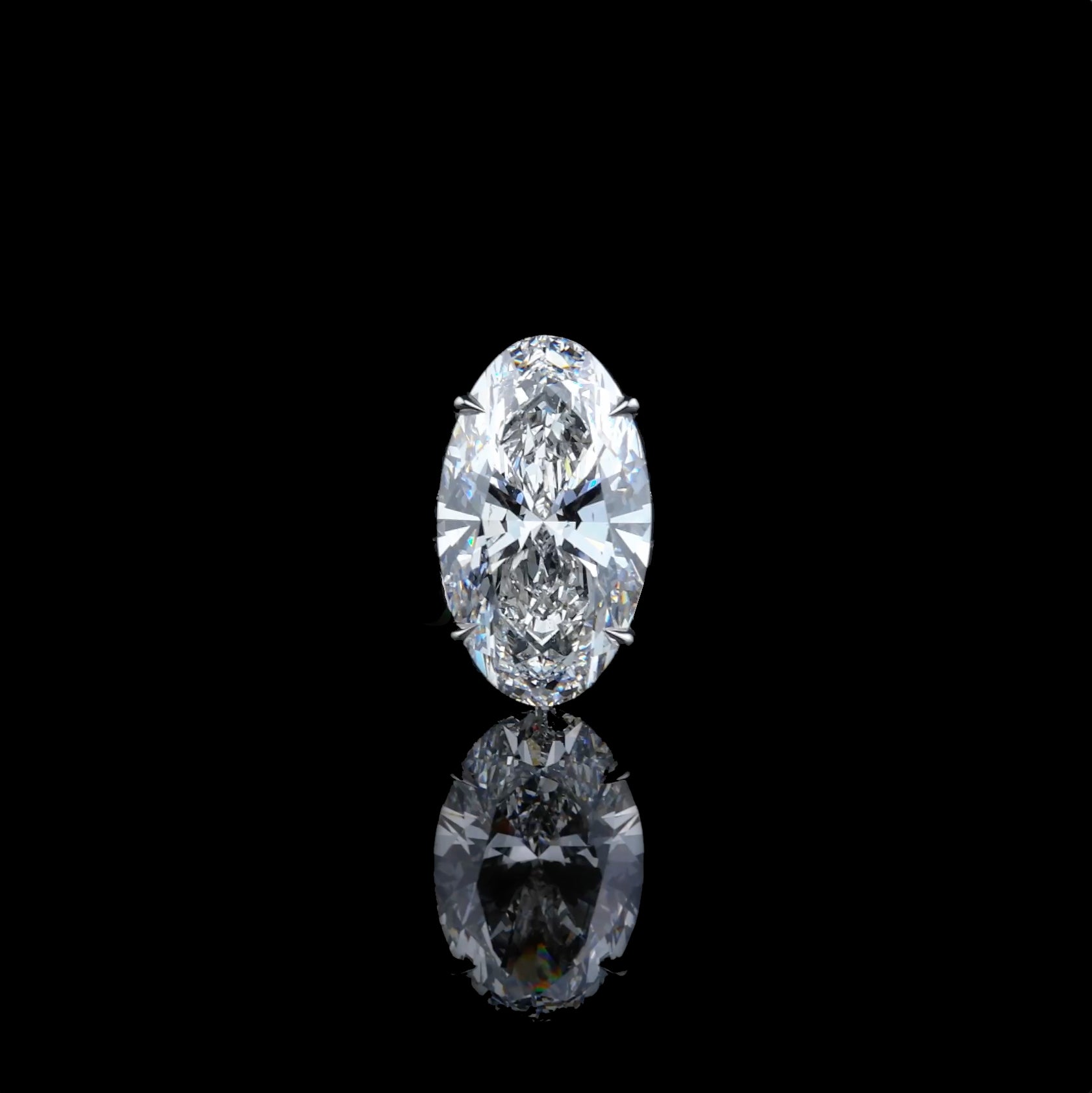
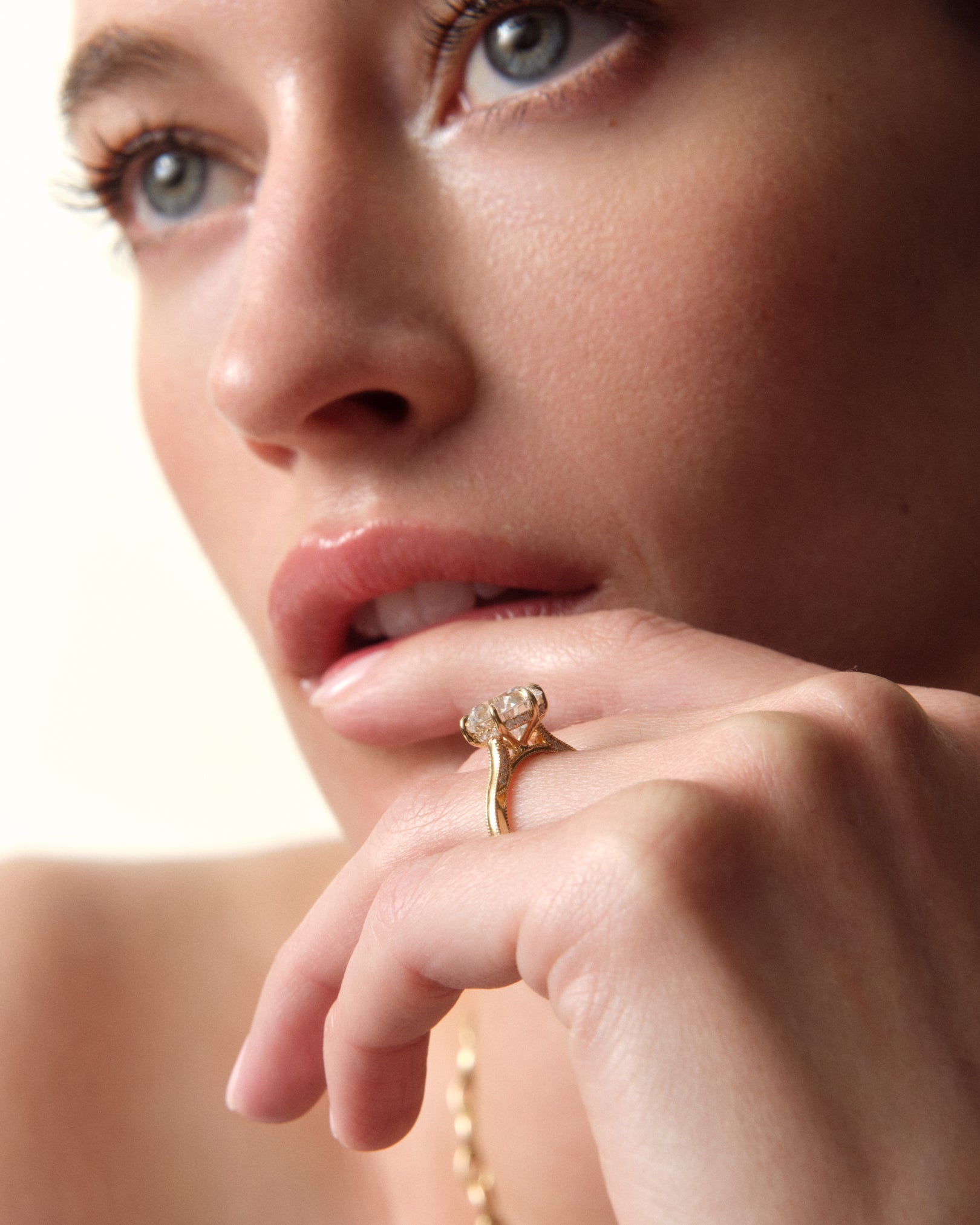
There’s something irresistibly romantic about antique cushion diamonds — their gentle glow, soft proportions, and traces of hand craftsmanship that tell stories spanning centuries. These old-world treasures, often called old mine cuts, were the predecessors of the modern brilliant. Understanding their origins and charm helps you appreciate why no two are ever alike.

A Glimpse Into History
Antique cushions trace their origins to the old mines of Brazil and India, long before Africa became the world’s primary diamond source. Cutters of the 18th and 19th centuries worked by candlelight, shaping each gem by hand using basic tools. Without today’s precision machinery, their focus wasn’t mathematical symmetry — it was beauty in motion and light.
The result? Deep pavilions, high crowns, and chunky facets that flicker with romantic warmth, especially in candlelight or evening settings. Their charm lies not in perfection, but in soul.
Why Antique Cushions Look Different
Modern diamonds are engineered for precision and sparkle. Antique cushions, however, reflect a softer, slower glow — more firelight than flashlight. Their larger facets dance with color and depth, giving them an unmistakable old-world presence.
Expect minor asymmetries, open culets, and pillowy corners — these are not flaws, but the marks of craftsmanship from an era when every cut was unique.

The Myth of the “Elongated” Antique
Elongation wasn’t a trend during the old mine era. Diamonds were cut to maximize weight from the rough, not to achieve modern silhouettes. A 1.1 length-to-width ratio is already considered elongated for a true antique cushion. Perfectly stretched or rectangular shapes are exceedingly rare and often modern recuts inspired by the antique style.
True antiques tend to be squarer or softly rounded, with generous, pillowy proportions — the very feature that gives them their signature romance.
How the 4Cs Differ
Color: Antique cushions have chunkier facets, which scatter light differently than modern brilliants. This means even warmer tones (J–M) can appear beautifully white when worn. The DEF color obsession matters less — focus instead on how the diamond faces up in natural light.
Clarity: Prioritize eye-clean stones. Small inclusions are expected and often invisible without magnification. They’re part of a diamond’s personality and rarely impact its beauty.
Cut: Expect charming asymmetry. Facet alignment and symmetry grades may appear “poor” on a certificate, but remember — antique cuts were shaped by hand, not lasers. Their appeal lies in the artistry, not the algorithm.
Carat: Old mine cuts are deeper than modern brilliants, so they may face up smaller per carat. But their fire and depth create an unmistakable presence that feels luxurious and substantial.
Natural vs. Lab Antique Cushions
Are antique diamonds always natural? Traditionally, yes — but at ROEN, we also craft lab-grown antique cushions with extraordinary precision.
True antique diamonds possess a certain “imperfect character” — slight asymmetries, frosted girdles, and that soft glow that only comes from centuries of hand-cutting. Lab-grown antique cuts, meanwhile, can appear almost too perfect: evenly proportioned, pristine, and bright.
Both are beautiful, each in its own way. ROEN takes pride in offering both authentic natural antiques and custom-cut lab-created antique diamonds, all crafted to our highest standards. Whether you prefer the history of a natural or the sustainability and symmetry of a lab, both capture the same romantic, low-light brilliance that defines this style.

Pricing and Rarity
The antique diamond market operates differently from the modern white diamond trade. Because supply is fixed — these stones simply aren’t being made anymore — pricing can vary dramatically. Some antique cushions retail on par with modern diamonds, others command a premium for rarity, and some offer tremendous value relative to their carat weight and charm.
Ultimately, each antique is unique: its price reflects not just carat and clarity, but provenance, shape, and individuality. Their finite supply makes them both collectible and deeply personal — a quiet luxury that transcends trends.
True Antique or Recut?
With the growing popularity of antique-inspired styles, many “antique” cushions today are actually modern recuts. These can be gorgeous, but they aren’t historic.
A good way to tell: look at the girdle. A frosted or unpolished girdle often indicates a true antique. A polished girdle typically points to a modern recut. That said, many authentic antiques have been lightly “touched up” to improve symmetry or polish — a normal practice that doesn’t detract from their authenticity.
The Beauty of Imperfection
Antique diamonds are not for those chasing perfection — they’re for those who value character, history, and emotional resonance. Their charm lies in what makes them human: a warmth and individuality that feel alive.
At ROEN, we specialize in both natural and lab-created antique cuts, all curated to meet our highest standards of craftsmanship. Each stone is chosen for its light, balance, and emotion — ensuring your diamond isn’t just an heirloom in name, but also in spirit and beauty.

 Have a question? Text us.